
Education
Hurdle Drills and Sprint Hurdle Training for High School Athletes
This session will discuss the qualities to look for in selecting your sprint hurdlers and drills & training appropriate for beginning hurdlers.


This session will discuss the qualities to look for in selecting your sprint hurdlers and drills & training appropriate for beginning hurdlers.
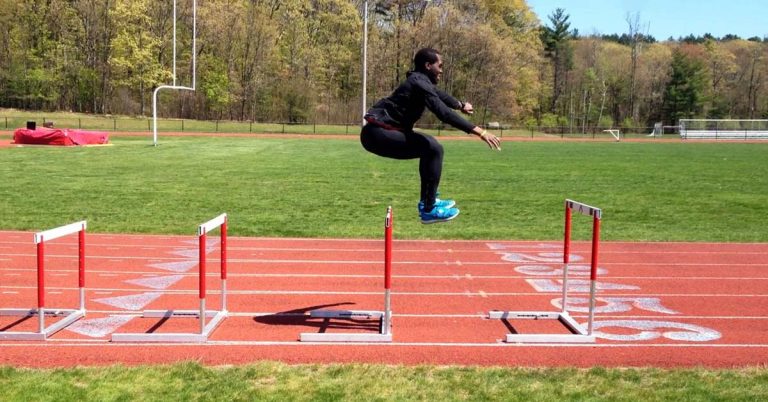
Strength is an advantage in nearly all sports. However, we cannot just gain strength, put it on a shelf and display it… We must actually USE strength quickly and efficiently. This is known as POWER. Track & Field success – in all events – relies on applied power. This course provides insights on how to develop usable power to help you be successful in sprint and jump events.

Consistent, cumulative aerobic and neuromuscular evolution demand the development of not only a distance runner but also a distance athlete. Specifically, such development should both minimize the risk of musculoskeletal injury and correspondingly amplify the potential to constructively accommodate progressively increasing, diverse workloads throughout the progression of a high school distance running experience.
This second presentation addresses training components that complement foundational aerobic and neuromuscular training in order to achieve and sustain the aforementioned objective. Specifically, the presentation considers running-specific resistance / ascent training, plyometric training, sleep and related ancillary training.

These are the three (and a half) main aspects of the High Jump explained in an understandable manner. The session will give you the tools to implement these techniques with your athletes, from the newbie freshman to the 4-year senior.
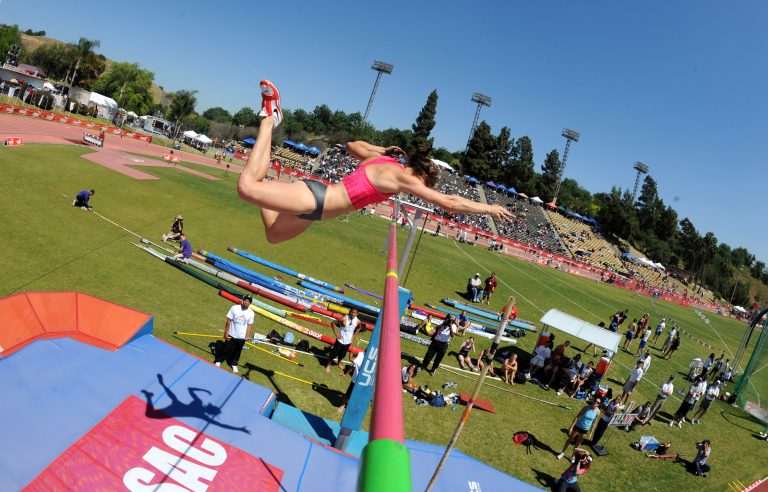
This pole vault session will cover the background, fundamentals, drills and the “coach’s eye”. Although the pole vault is arguably one of the most complex disciplines in the sport, we will simplify it to build a solid foundation for all coaches.

This session will begin with the basics of block starts and the components necessary to execute consistently good starts. We will discuss common errors to look for and ways to correct them.
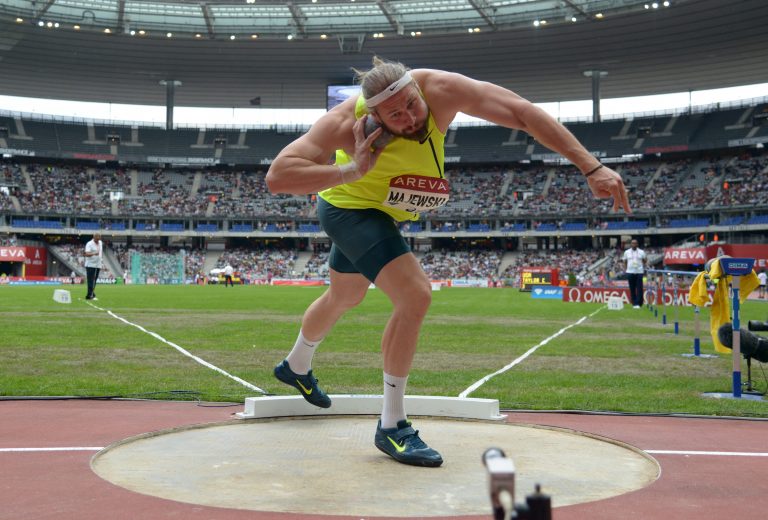
A systematic approach to teach your athletes an order of drills to progress from the standing throw to the full glide throw. This progression lays out a basic practice schedule for each session. Using these progressions will have your athlete using efficient and proper technique in a very short time frame.
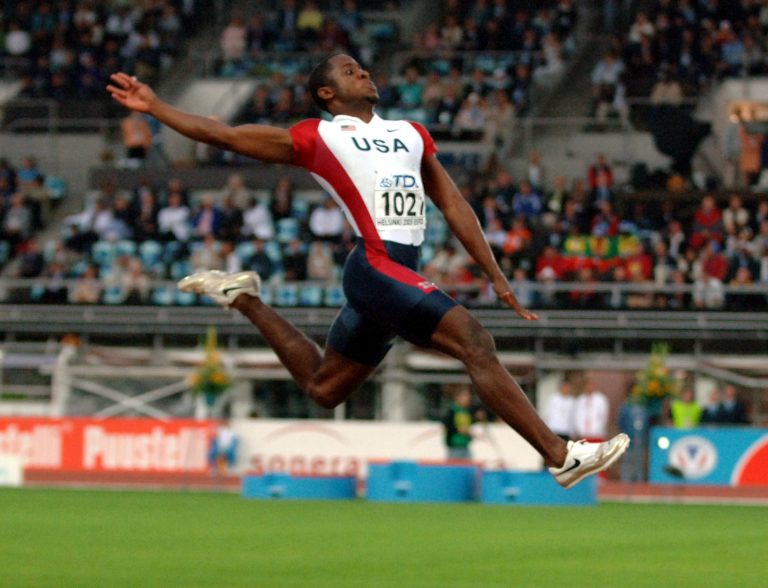
This course will cover the basics of the two horizontal jump disciplines in Track & Field: the Long Jump and the Triple Jump. We will cover basic history, techniques and training methods.

Endurance training presents both a cardiovascular and a neuromuscular challenge. Accordingly, the foundational components of a corresponding training program should include a focus on continuous, cumulative aerobic power development and appropriate, race-specific neuromuscular development.
This introductory presentation consequently addresses the essential components of a foundational endurance training program that allow for the simultaneous, complementary and integrative development of the cardiovascular and neuromuscular qualities that underlie successful high school cross country and distance running performance.

Are you a distance coach being asked to coach the high jump? Are you a thrower thrown into the high jump? Are you a math teacher looking to get involved? This is the session for you! We will be addressing the basics of the high jump from the proper set up of the equipment to some simple technical aspects that are easy to master to get your kids off on the right foot!